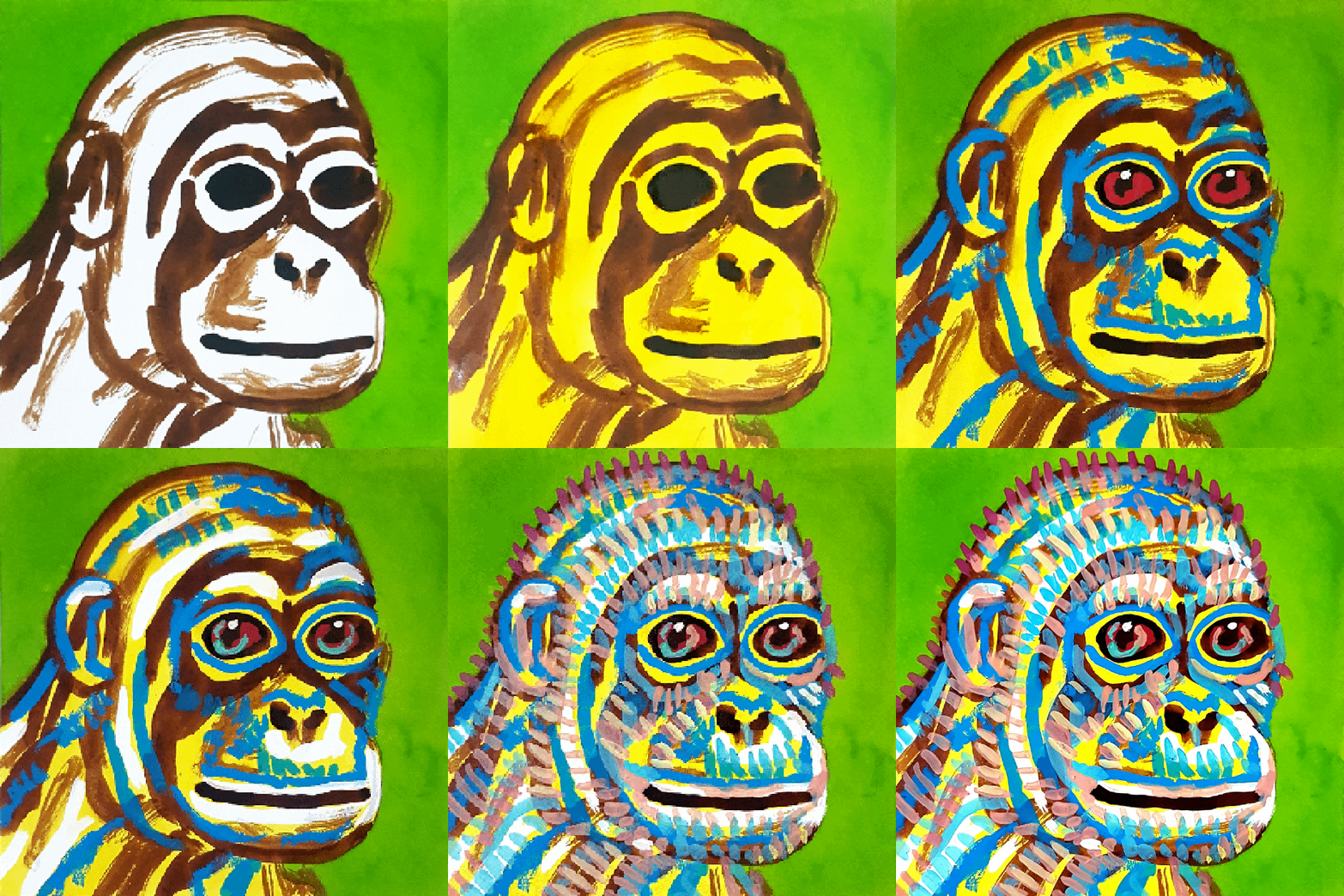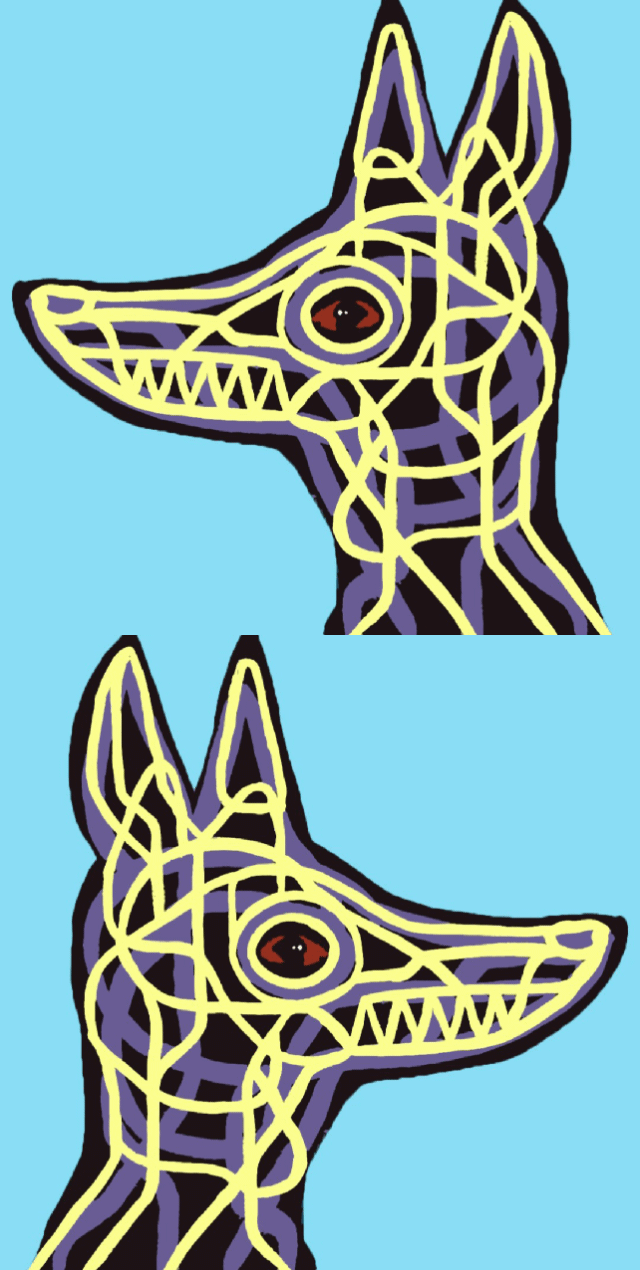
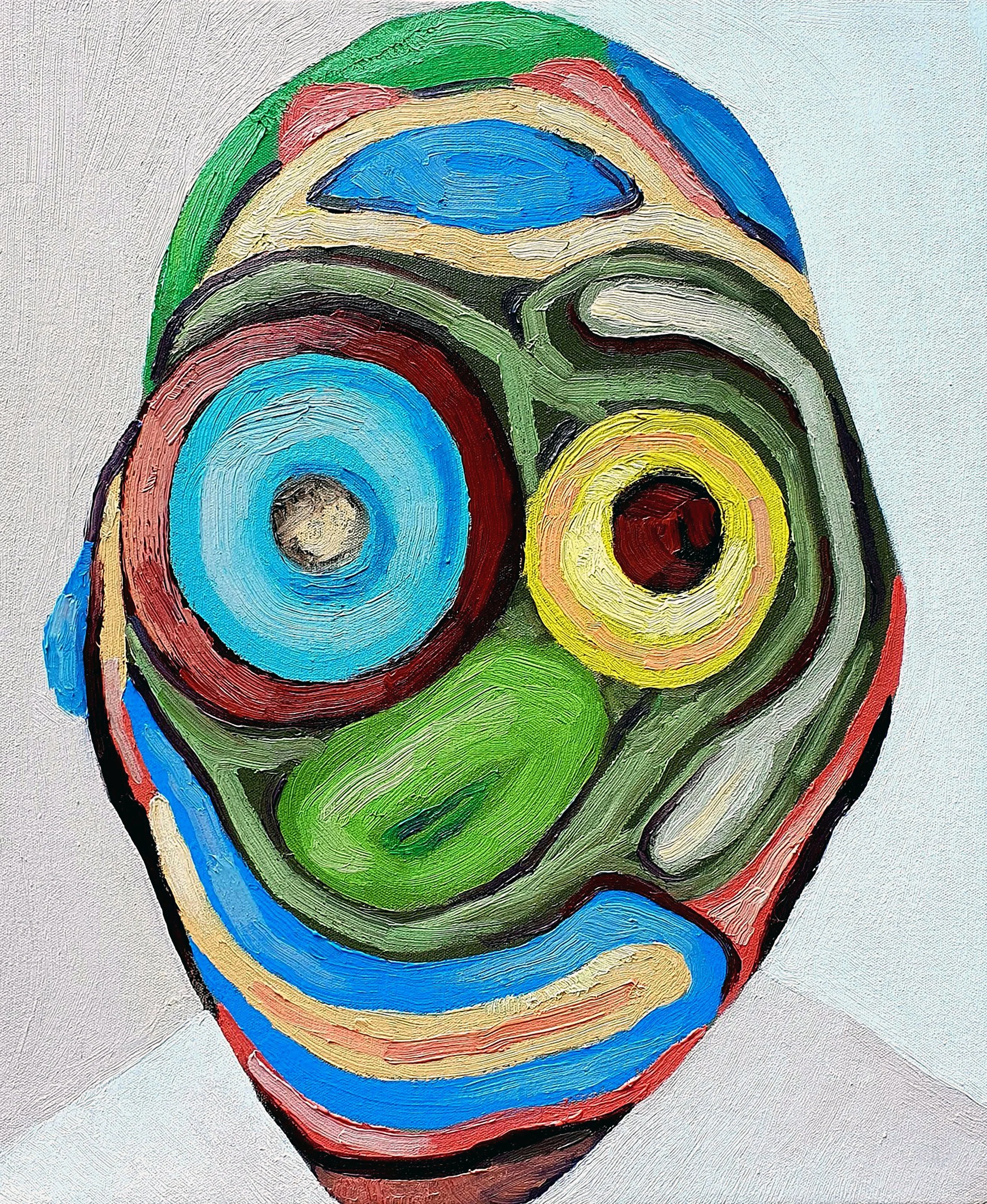
There is a unique magic that happens between a canvas and its viewer. It is a dialogue dictated by space. When you stand across the room, you see a story; but as you step closer, you discover the soul of the labor. This relationship between “Near” and “Far” is essential to understanding the depth of professional oil painting.
1. The Distant View: The Illusion of Reality
From a distance, the human brain is a master of synthesis. It takes individual marks and merges them into a cohesive narrative.
-
The Big Picture: From afar, you see the “Image” – the recognizable subject, the balance of light, and the overall composition.
-
Interpretation: At this range, the painting is an illusion. A series of dark strokes becomes a deep shadow; a dab of white becomes a glint of light on water. The distance allows the viewer to absorb the emotional intent of the work as a whole.
2. The Close-up: The Raw Gesture and the Body
As you approach the canvas, the illusion begins to dissolve, revealing the “Process.” This is where the painting becomes a physical record of the artist’s movement.
-
The Texture of the Stroke: Up close, what looked like a smooth surface reveals itself as a rugged landscape of impasto and glaze. You can see the speed of the brush and the pressure of the hand.
-
The Artist’s Body: Every mark is a physical gesture. At this distance, the viewer is no longer looking at a “subject,” but at the energy of the body that created it. The painting stops being a window and starts being a surface.
3. Visual Evidence: Watching the Transformation (Video Content)
To truly appreciate this duality, words are often not enough. This is why I include process videos in my gallery.
-
Macro to Wide: In the accompanying videos, you can see the camera travel from a single, chaotic brushstroke to a wide shot of the completed figure.
-
The “Aha!” Moment: Watching the transition in real-time highlights how a mess of colorful “mud” suddenly snaps into a sharp, realistic detail. It proves that a painting is not a static object, but a collection of thousands of tiny, intentional decisions.
4. Why This Matters for Collectors
Understanding the “Near vs. Far” relationship changes how you live with art.
-
Dynamic Living: A professional painting offers a different experience every time you walk past it. It changes based on the light in the room and your physical position.
-
Appreciating the Labor: When you own an original work, you aren’t just owning a picture; you are owning the “Close-up” – the tangible evidence of human touch that a digital screen can never fully replicate.
5. From Physical Texture to Digital Motion
This duality is also what allows my work to evolve into the digital realm. By capturing the raw, close-up textures of my oil paintings, I can use AI to animate those specific gestures. The “movement” you see in my digital pieces is born directly from the physical energy of the brushwork you see when standing inches away from the canvas.